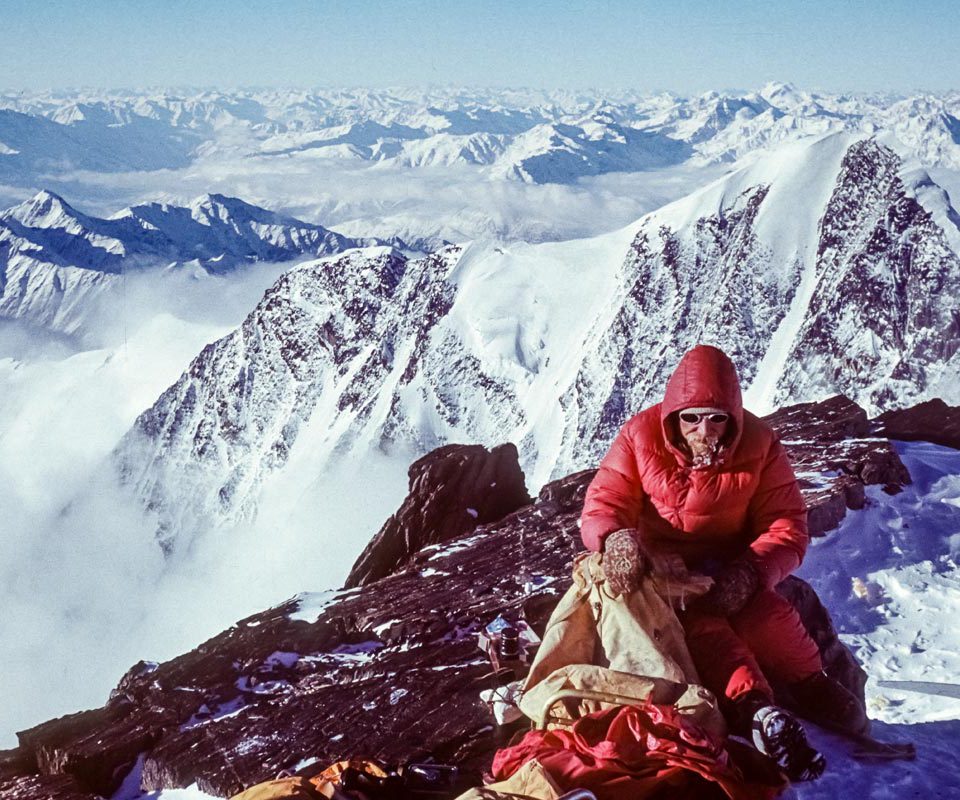
Kunyang Chhish
1971

July 6
A. Kuś, J. Michalski, E. Chrobak, J. Franczuk, K. Cielecki, Z. Heinrich, J. Poręba set up the base at the foot of Ice Cake (4900 m).

July 7-11
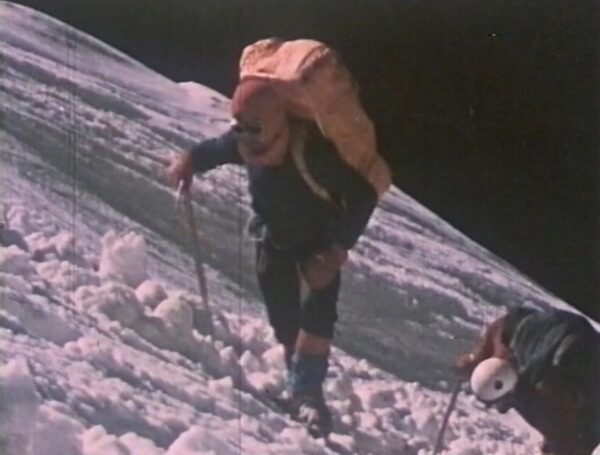
Setting up Camp I (5900 m), moving and securing equipment.
 Watch video recording
July 12-23
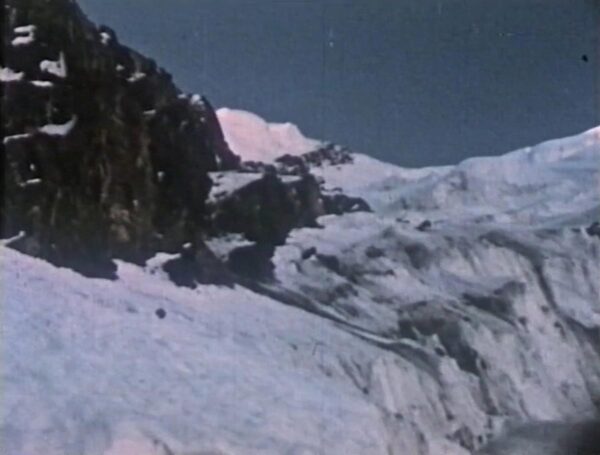
The entire team secures the difficult part leading to Ice Cake ridge and sets up Camp II.
 Watch video recording
July 24
Z. Heinrich and R. Szafirski set up CII (6500 m) on the peak of Ice Cake.

July 25-27
Anchoring the difficult Ice Cake ridge is underway; on the last day the team sets up Camp III under the "Ramp" (6450 m).
July 28
Tragic death of Jan J. Franczuk near CIII. J. Stryczyński, E. Chrobak, K. Cielecki and S. Zierhoffer return to the base.
Snow boulder fell next to the tent. We're digging till evening, waiting for help.
July 29-31
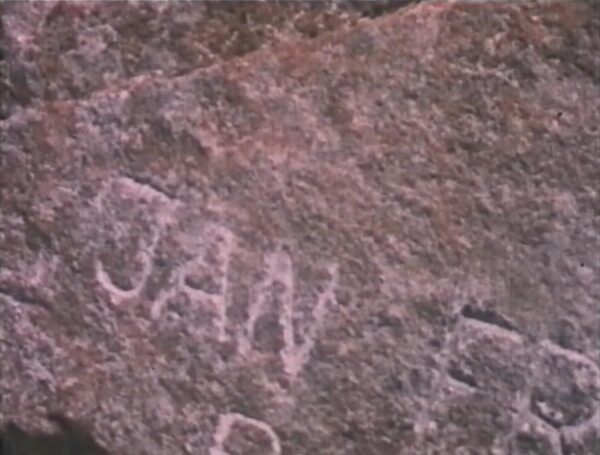
The team stays in the base, deciding whether to stop or continue the expedition.
 Watch video recording
August 6
Funeral for Jan J. Franczuk in CIII; the team makes the decision to continue the expedition.
August 7-8
A. Zawada and J. Stryczyński anchor fixed rope from CIII by the "Ramp" and together with Z. Heinrich and R. Szafirski set up Camp IV (7200 m) under a col on a narrow ridge.

August 13
Due to difficult weather conditions the entire expedition descend to the base and stay there till August 21; climbing resumes the next day.
August 25
Summit attack - A. Zawada, Z. Heinrich, J. Stryczyński and R. Szafirski reach 7780 m underneath the peak. They bivouac there, while support team stays in CII.
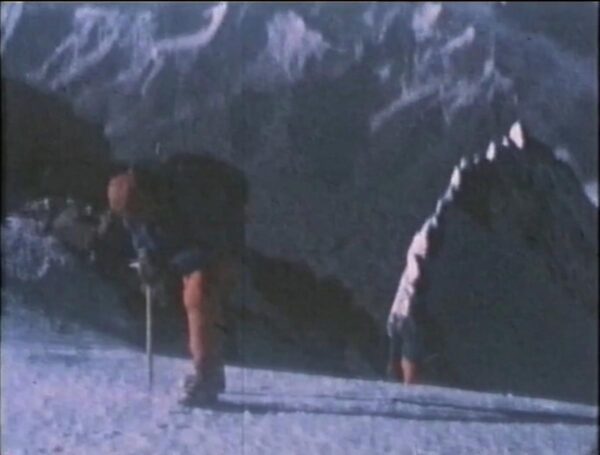 Watch video recording
August 26
A. Zawada, Z. Heinrich, J. Stryczyński and R. Szafirski reach the peak of Kunyang Chhish (7852 m) at 7:45 am. At 10 am they start descend, bivouac on the "Ramp" between CIII and CIV.
Congratulations boys. Think about our Franczuk, there on the peak.


August 28
Everyone is in the base, packing equipment and waiting for porters.

September 2-12
Descent from the base to Nagar with caravan of ca. 80 porters; return to Rawalpindi.
September 17
Polish ambassador in Pakistan Alojzy Bartoszek together with A. Zawada and A. kuś visit the office of Pakistani President; they gift Vice President Syed Ghiasuddin Ahmad the Pakistani flag, which was on the peak of Kunyang Chhish.
September 20
A. Zawada, E. Chrobak, B. Jankowski and S. Zierhoffer fly back from Rawalpindi. They reach Warsaw on the 23rd.

September 22 -
October 16
K. Cielecki, A. Garliński, Z. Heinrich, A. Kuś, J. Michalski and J. Stryczyński return to Poland with the car.
November 11
The expedition meets with Deputy Prime Minister Wincenty Kraśko in Council of Minister's office. In the General Committee of Physical Culture and Tourism (Główny Komitet Kultury Fizycznej i Turystyki, GKKFiT) Włodzimierz Reczek decorates all expedition members with Gold Medals for Outstanding Achievements in Sport.